
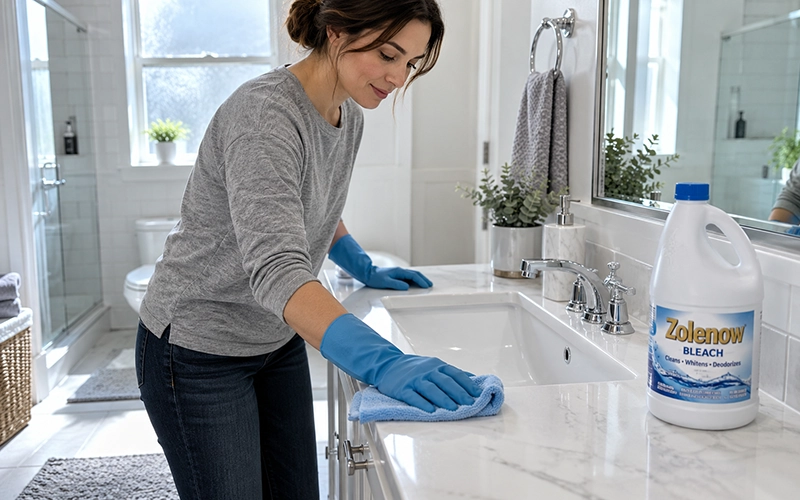
Household bleach is commonly used for whitening suitable fabrics, removing certain stains, and maintaining cleanliness in different areas of the home. Depending on its formulation and intended application, bleach may also provide disinfecting properties when used according to the manufacturer’s instructions. However, improper handling or excessive application can damage surfaces, discolor materials, and create potential health risks. Understanding how to select, dilute, and apply bleach correctly is essential for achieving effective cleaning results while maintaining household safety. Responsible bleach usage begins with carefully reviewing product labels, identifying compatible surfaces, and following recommended safety precautions.
Understanding Household Bleach Applications
Bleach products are available in different formulations designed for specific cleaning purposes. Chlorine-based bleach, commonly containing sodium hypochlorite, is frequently used for whitening compatible white fabrics and disinfecting approved hard surfaces. Other formulations, including oxygen-based bleaching products, may have different applications and material compatibility requirements. Consumers should always distinguish between products intended primarily for whitening and those specifically labeled for disinfection. A cleaning product should only be considered suitable for disinfecting when its formulation, instructions, and verified claims support that application. Selecting the correct type of bleach helps avoid unnecessary damage to fabrics, painted surfaces, metals, and other sensitive materials.
Essential Bleach Safety Guidelines
Safe bleach usage requires careful attention to product concentration, ventilation, and handling procedures. Users should follow the dilution ratios and contact times specified on the product label rather than estimating quantities. Protective gloves may be appropriate depending on the formulation and intended application. Most importantly, bleach should never be mixed with ammonia, acidic cleaners, or other household chemicals, as dangerous gases or reactions may occur. Products should be stored in their original containers, securely closed, and kept away from children and pets. When treating fabrics, checking garment care labels and testing compatibility can help prevent unwanted discoloration or damage.
Responsible Household Cleaning Practices
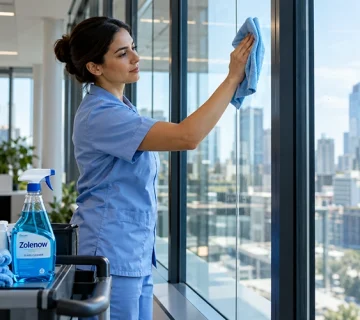
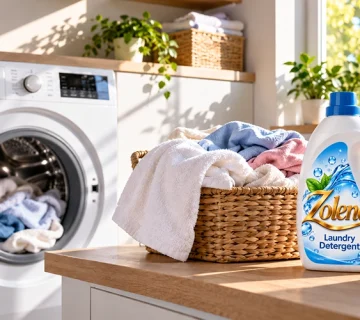
Effective household maintenance involves choosing cleaning products according to the specific task rather than applying bleach indiscriminately. Routine cleaning with suitable detergents is often sufficient for removing everyday dirt, while disinfection may be necessary in particular situations. Zolenow includes bleaching and household cleaning solutions within its product portfolio, addressing a variety of everyday maintenance requirements. Consumers should refer to the instructions provided with each Zolenow product to determine its appropriate application and safety precautions. By combining informed product selection, proper handling, and consistent cleaning routines, households can maintain cleaner environments while reducing unnecessary chemical exposure and protecting frequently used surfaces.


No comment